Walk into any tint shop in Westchester County and you'll hear the word 'ceramic.' It's become a marketing catch-all — applied to everything from budget films to genuine high-performance technology. The problem is that 'ceramic' and 'Ceramic IR' are not the same thing, and the performance difference is dramatic. This guide explains exactly what separates them.
What Is Standard Ceramic Tint?
Standard ceramic window film uses ceramic particles embedded in the film to block some solar energy. It's a step up from dyed or carbon film — it doesn't use metal, so it won't interfere with your GPS or cell signal, and it's more color-stable over time. Most ceramic films achieve 30–40% heat rejection and block 95–99% of UV rays. That's genuinely better than budget options, and for a long time, it was considered premium. The catch: ceramic film blocks visible light and some UV, but it's not specifically engineered to target the infrared (IR) spectrum — the invisible wavelengths responsible for the intense heat you feel inside a parked car.
What Is Ceramic IR Window Tint?
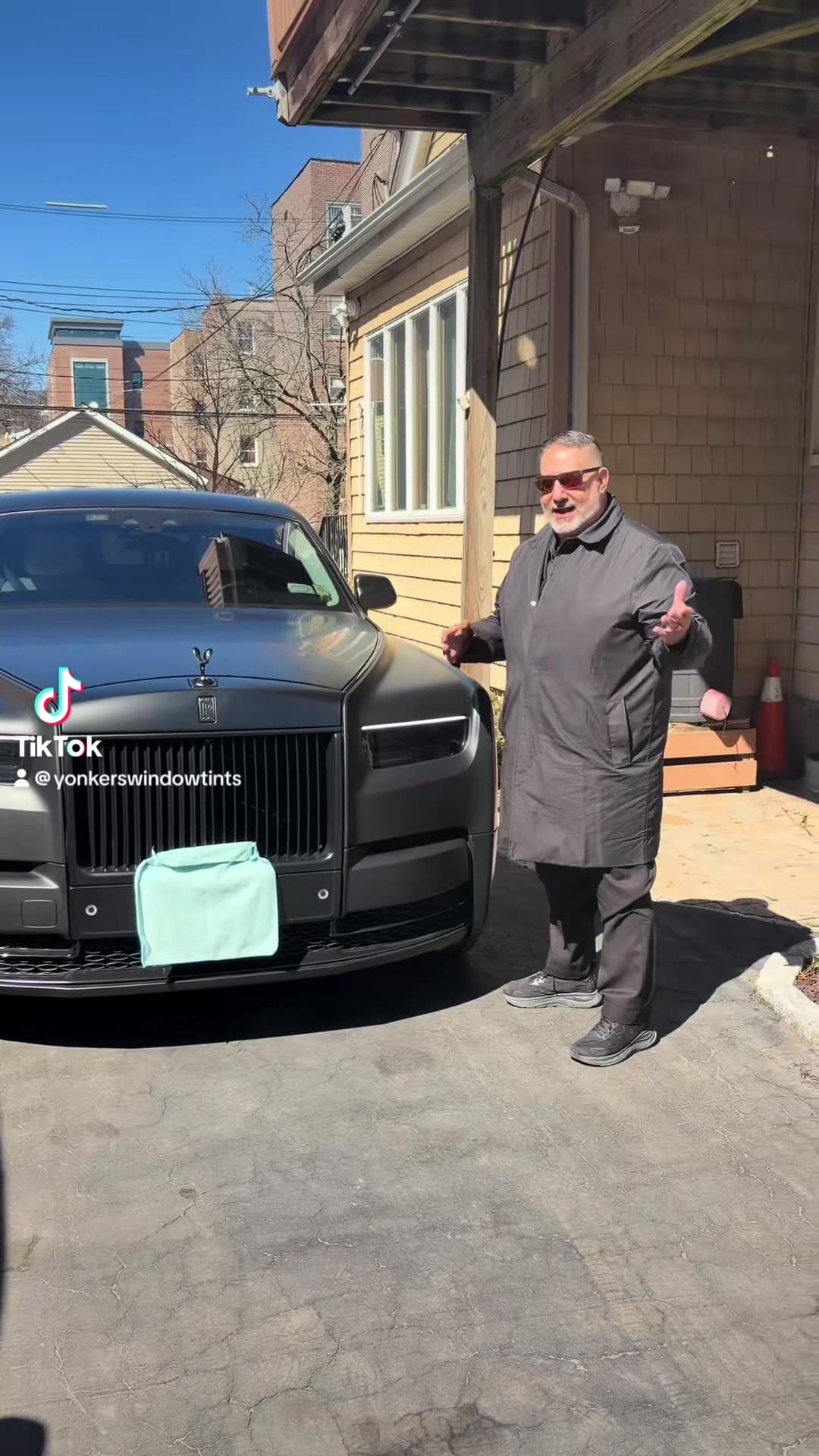
Ceramic IR (Infrared) window film is engineered specifically to target the infrared spectrum of sunlight. Using nano-ceramic technology, it selectively blocks the IR wavelengths that cause heat buildup — not just visible light. The result: up to 60%+ heat rejection even at higher VLT (Visible Light Transmission) levels. This means you can have a nearly clear film on your front windows that still blocks more heat than a much darker standard ceramic film. It's the technology used in high-end factory glazing on vehicles like Mercedes S-Class and Tesla Model S. We install it on everything from daily drivers to exotic vehicles.
The Performance Gap: By the Numbers
Standard ceramic film: 30–40% total solar energy rejected, 95–99% UV blocked, limited IR targeting. Ceramic IR film: up to 60%+ total solar energy rejected, up to 99% UV blocked, up to 96% IR specifically rejected. The difference isn't marginal — it's measurable with a heat lamp and thermal sensor. Clients who upgrade from standard ceramic to Ceramic IR describe the difference as going from 'better' to 'completely transformed.' The cabin doesn't just get less hot — it stays cool in direct sunlight.
Which Should You Choose for a NY or CT Vehicle?
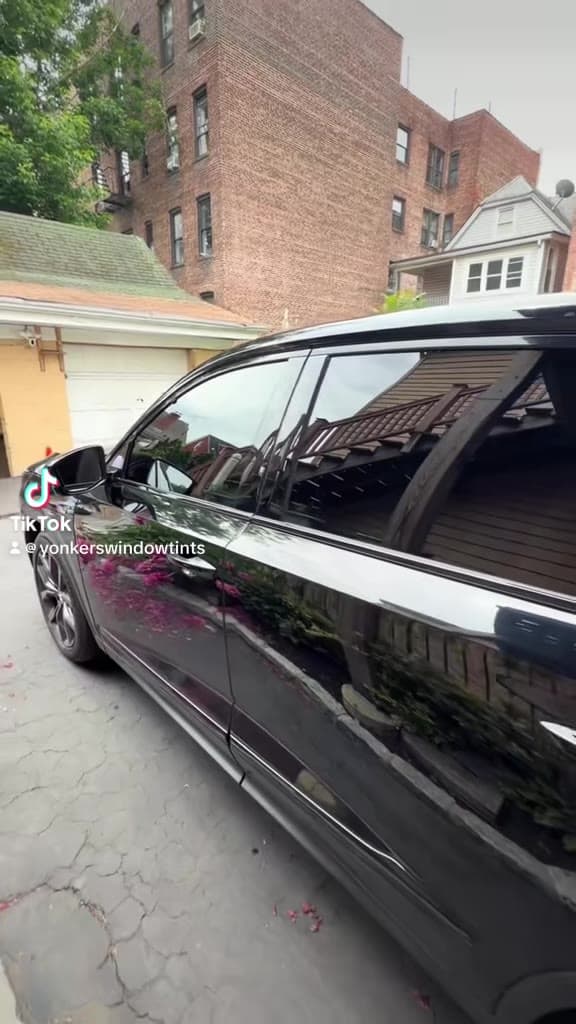
For drivers in Westchester County, the Bronx, or Connecticut dealing with full summer sun — including UV reflected off the Long Island Sound near Rye, Mamaroneck, or Greenwich — Ceramic IR is the right choice. New York's front window law requires 70% VLT, which means you need a film that delivers heat rejection at high transparency. Ceramic IR is uniquely suited to this: it works hardest in the infrared spectrum, where most heat comes from, not the visible spectrum where tint darkness is measured. The result: full NY-legal compliance and dramatically better heat rejection than darker standard films.
A Note on Marketing Claims
Many shops advertise 'ceramic tint' without specifying whether it targets IR. If a shop can't tell you the film's IR rejection percentage, it's likely standard ceramic, not Ceramic IR. At our Yonkers shop, we install only verified Ceramic IR film with published performance specs — heat rejection, UV rejection, and IR rejection all measured and warranted.
Is ceramic IR worth the price difference over standard ceramic?+
For NY and CT drivers dealing with summer heat, yes — especially on front windows where VLT laws limit how dark you can go. Ceramic IR delivers superior heat rejection at legal transparency levels that standard ceramic simply cannot match.
Does ceramic IR look different from regular ceramic tint?+
At equivalent VLT levels, they look nearly identical to the naked eye. The performance difference is in the heat and IR blocking, not the visual appearance.
Will ceramic IR tint void my vehicle's warranty?+
Window tint does not void vehicle warranties in the United States under the Magnuson-Moss Warranty Act unless the manufacturer can demonstrate the tint directly caused the issue.
Where can I get Ceramic IR window tint in Yonkers?+
Yonkers Window Tints & Wraps specializes exclusively in Ceramic IR installation. Call 914-217-2897 to book — deposit required to confirm your appointment.